
**Growing Satellite Constellations Threaten Astronomical Observations, Including Hubble’s View**
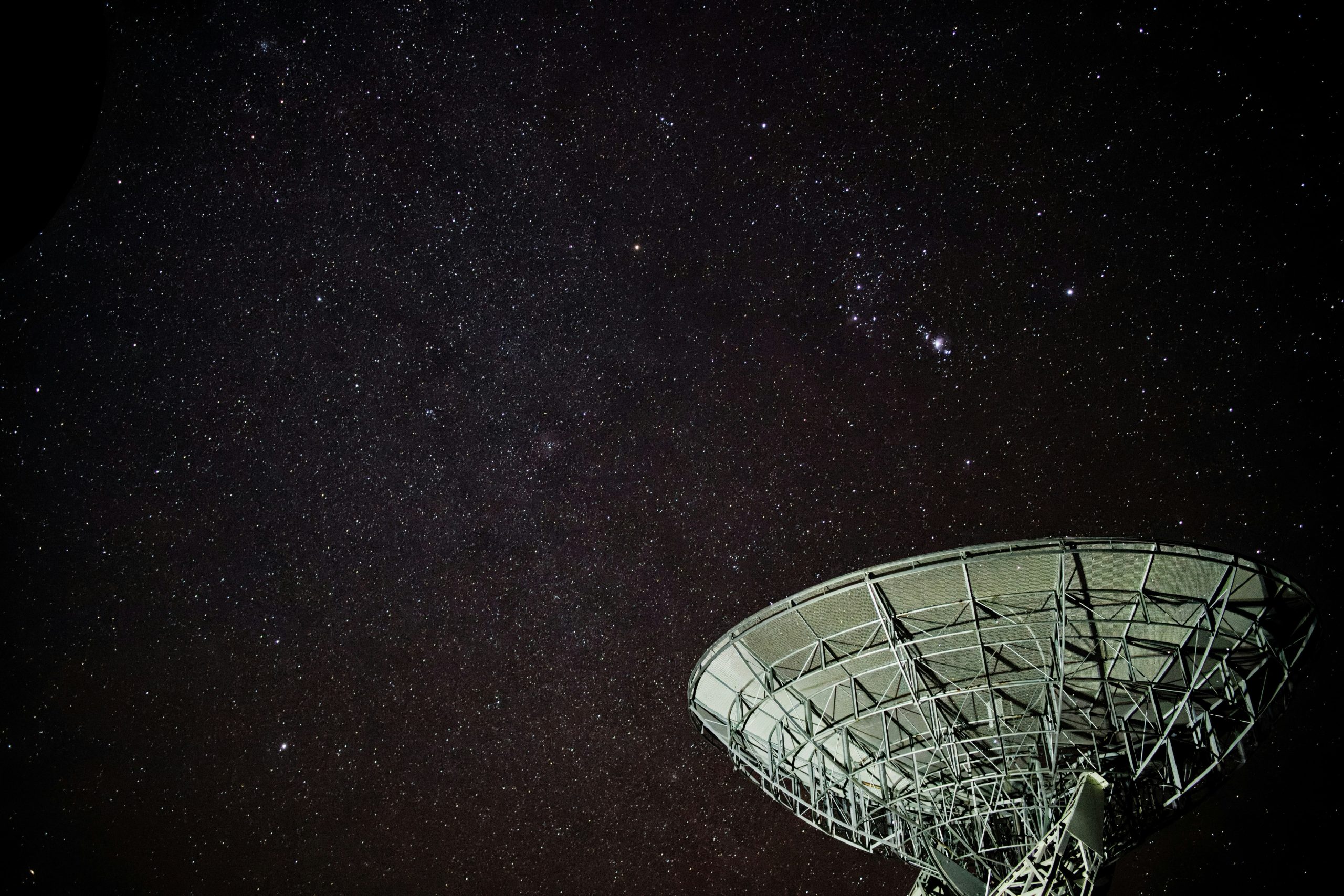
The escalating number of satellites orbiting Earth is generating a concerning level of light pollution, significantly impeding the ability of telescopes, such as the venerable Hubble Space Telescope, to capture clear images of the cosmos. A recent NASA study warns that within the next decade, up to 40% of Hubble’s images and a staggering 96% of those from other astronomical observatories could be compromised by satellite streaks.
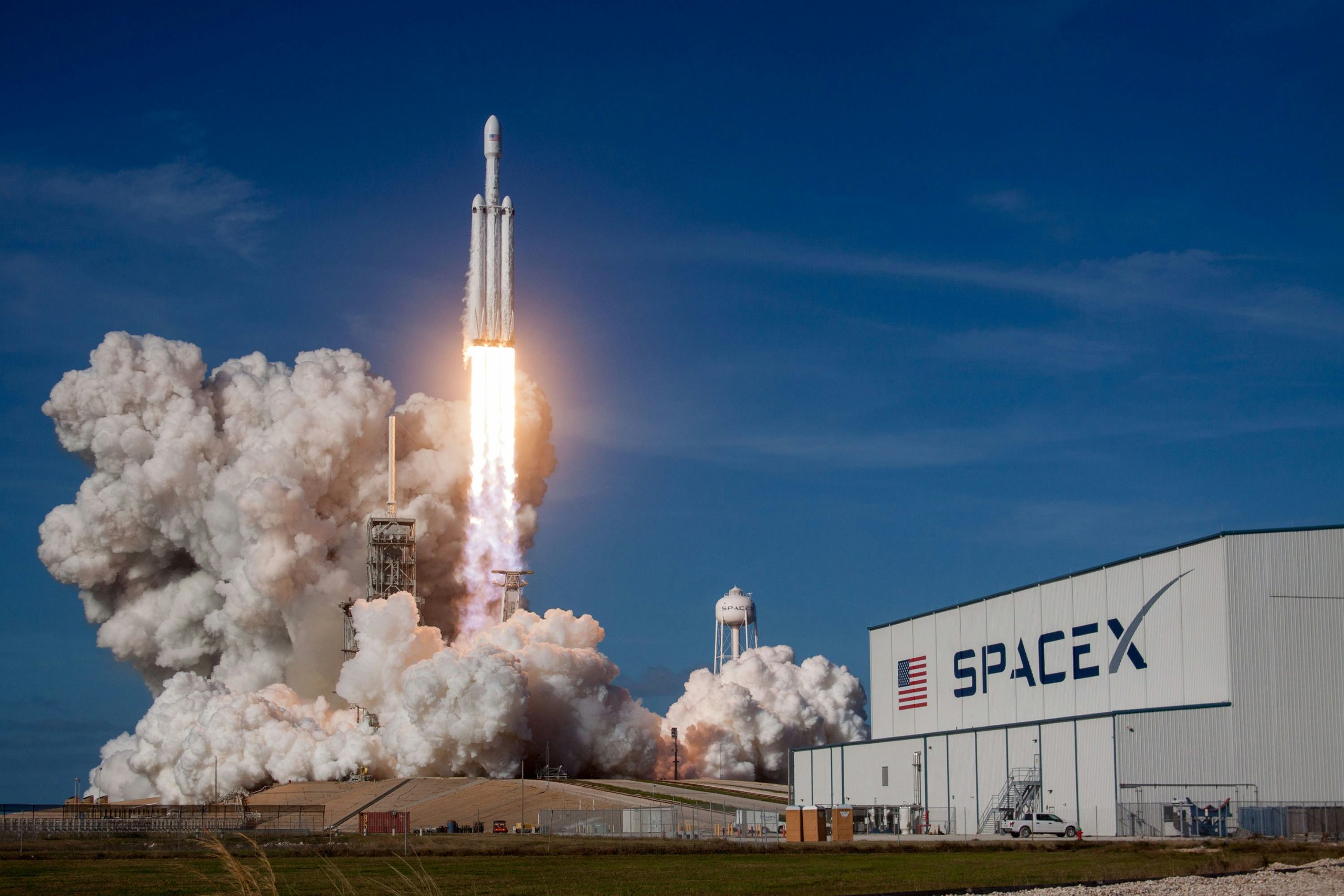
This growing challenge jeopardizes critical astronomical work, including the detection of potentially hazardous asteroids and the discovery of new planets. The proliferation of satellites, driven by plummeting launch costs and the rapid expansion of global telecommunications networks, has created an unforeseen environmental impact on the space around Earth. The light reflected by these numerous spacecraft creates bright streaks across long-exposure astronomical images, obscuring faint celestial objects and degrading data quality.
The NASA research underscores the severity of the problem, indicating a substantial loss of observational capacity across the astronomical community if current trends continue unchecked. This jeopardizes not only fundamental scientific discoveries but also practical applications like planetary defense.
In response to these concerns, the scientific and aerospace communities are actively exploring mitigation strategies. These include designing satellites with less reflective surfaces and improving coordination for their orbital placement to minimize interference with observing windows. There is an urgent recognized need to establish a sustainable balance, ensuring that both scientific exploration via telescopes and the benefits of satellite constellations can coexist effectively in the future.