

**NASA Warns: Swarm of Satellites Threatens to Blind Space Telescopes**
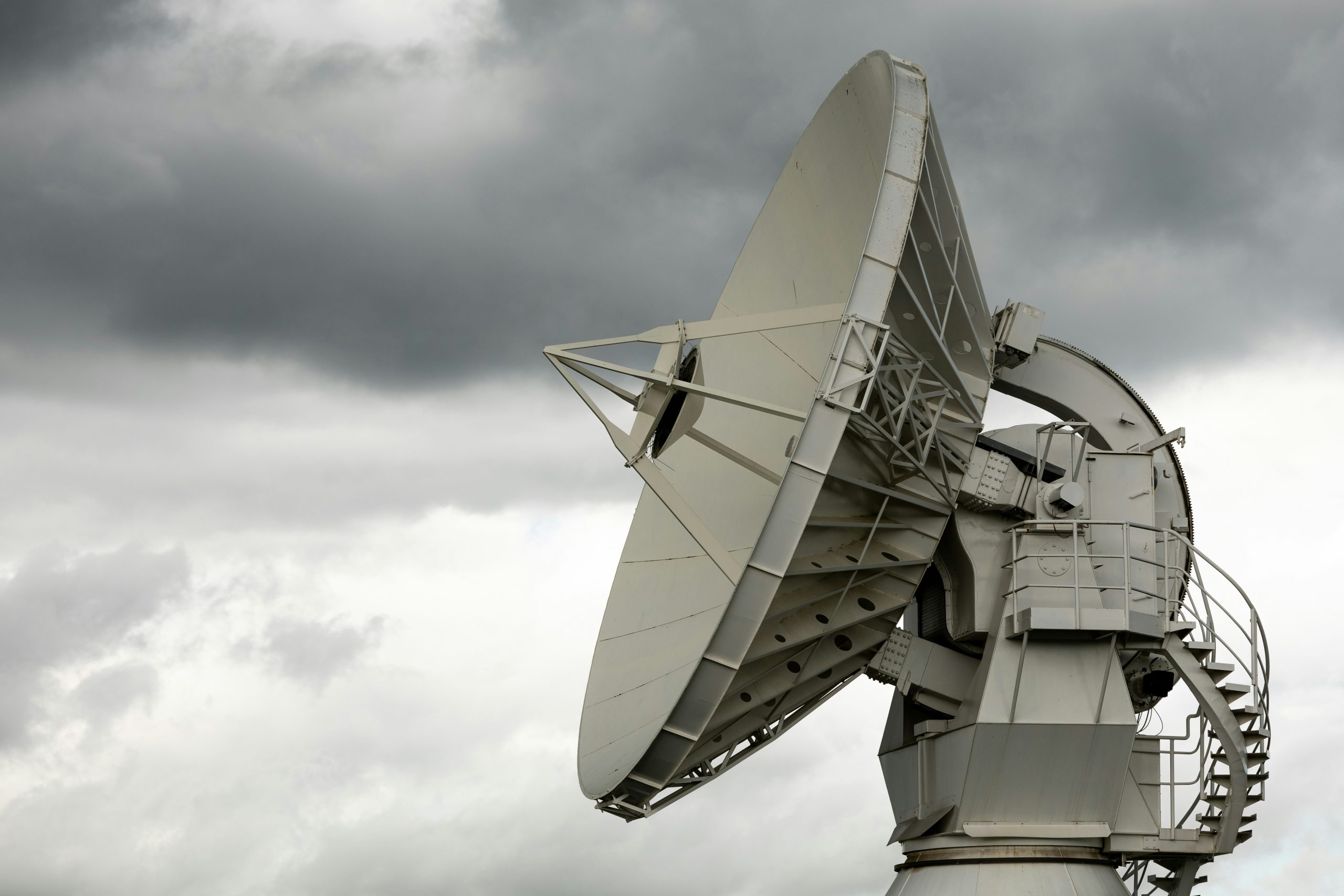
**WASHINGTON D.C.** – NASA astronomers are issuing a stark warning: the rapidly expanding number of satellites orbiting Earth could soon contaminate the vast majority of images captured by space telescopes. Experts project that by the late 2030s, an astounding 560,000 satellites could be circling our planet, reflecting light that profoundly hinders our ability to observe the universe.
This proliferation of orbiting objects poses a significant threat to critical astronomical tasks, including the vital detection of asteroids that could pose a danger to Earth. The reflected sunlight from these burgeoning satellite constellations is expected to interfere with observations across various wavelengths, obscuring faint celestial objects and complicating data analysis.
Specific missions designed to conduct wide-field surveys, such as SPHEREx, ARRAKIHS, and China’s Xuntian space telescope, are anticipated to be among the most severely affected. Even the iconic Hubble Space Telescope, a cornerstone of astrophysics for decades, is projected to see up to a third of its images compromised by satellite light pollution.
Addressing this growing issue presents a complex challenge. Reducing the sheer number of satellite launches appears improbable due to several factors. Intense competition among companies developing satellite internet services continues to drive new deployments. Furthermore, the surging global demand for data, particularly fueled by advancements in artificial intelligence, is expected to maintain, if not accelerate, the pace of satellite launches.
While outright reduction seems unlikely, potential solutions are being explored. These include enhanced information sharing among satellite operators and astronomical observatories, focusing on the precise location and characteristics of satellites to aid in avoidance strategies. However, even these measures face an uphill battle, as the trend toward larger satellites, designed for increased capacity, means they reflect even more light, posing an ever-greater challenge to pristine astronomical imaging.