

**Solar Flare Strikes Earth, Chernobyl Fungus Reveals Secrets, and New Moon Origin Theory Emerges in Week of Major Scientific Discoveries**
Earth experienced a direct hit from a powerful Class X solar flare earlier this week, causing widespread radio blackouts and underscoring the vulnerability of modern technology to space weather. Simultaneously, scientists continue to unravel the mysteries of radiation-eating fungi discovered in the Chernobyl Exclusion Zone, while new research presents a groundbreaking theory for the Moon’s formation involving a neighboring planet.
The intense solar flare, the most powerful category of solar eruptions, triggered a significant geomagnetic storm. This resulted in widespread high-frequency radio blackouts across sunlit regions of the planet. Authorities also advised of the potential for spectacular aurora displays, which could be visible much further from the poles than usual. The incident highlights ongoing concerns about space weather’s impact on infrastructure, with earlier reports citing the necessity for design revisions in certain Airbus A320 aircraft due to potential solar storm effects.
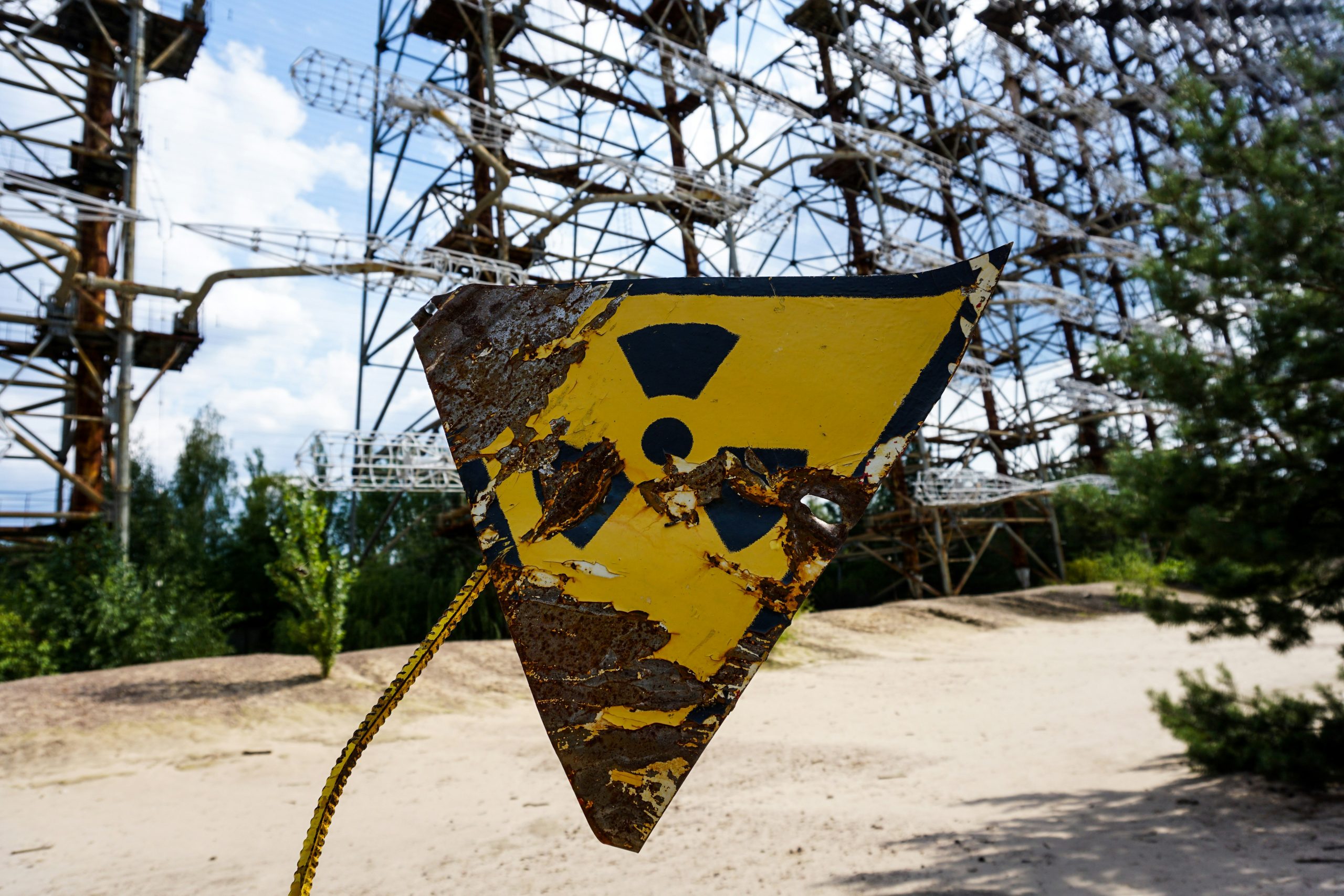
In a remarkable biological discovery, scientists are deepening their understanding of unique fungi found within the highly radioactive Chernobyl Exclusion Zone. These organisms not only survive but appear to thrive by ‘eating’ radiation, converting gamma rays into chemical energy. This phenomenon opens new avenues for research into bioremediation techniques for contaminated sites on Earth and could even offer solutions for radiation protection during long-duration space missions, such as those to Mars.
Meanwhile, the long-standing mystery surrounding the Moon’s formation has received a fresh perspective from new research. Scientists are now proposing that Earth’s natural satellite may not have originated from a direct collision with a Mars-sized object, but rather from a neighboring planet, tentatively named Theia. This revised theory suggests that the Moon formed directly from the molten debris of this celestial body after a cataclysmic impact, offering a more precise explanation for the Moon’s chemical composition.
Further expanding our understanding of ancient human history, new studies point to the arrival of modern humans in Australia approximately 60,000 years ago. This timeline potentially predates previous estimates and raises intriguing questions about possible interbreeding with archaic human populations already present on the continent, contributing to the rich genetic tapestry of indigenous Australians.
Amidst these diverse scientific revelations, the urgent issue of climate change continues to demand global attention. Over 500 scientists have collectively issued a stark warning, emphasizing the critical need for immediate and decisive action to mitigate global warming and its devastating consequences. Their call underscores the broad consensus within the scientific community regarding the severity of the climate crisis.
From the depths of space to the microscopic world of fungi and the distant past of human migration, these recent scientific breakthroughs offer a comprehensive look at the universe and our place within it. These discoveries not only expand our knowledge but also highlight pressing challenges, such as preparing for space weather events and confronting environmental crises, demanding continued research and global cooperation.